Ep. 048: Cyberpunk 2077
The Worst Great Game
Cyberpunk 2077 launched broken and became something great anyway. On this episode of Low Five Gaming, Alex and Luke finally return to Night City — post-2.0, post-redemption arc, post-hype cycle — and find a game that somehow earns every hour they put into it, even as it keeps finding new ways to frustrate them. The verdict: it might be the worst great game ever made.
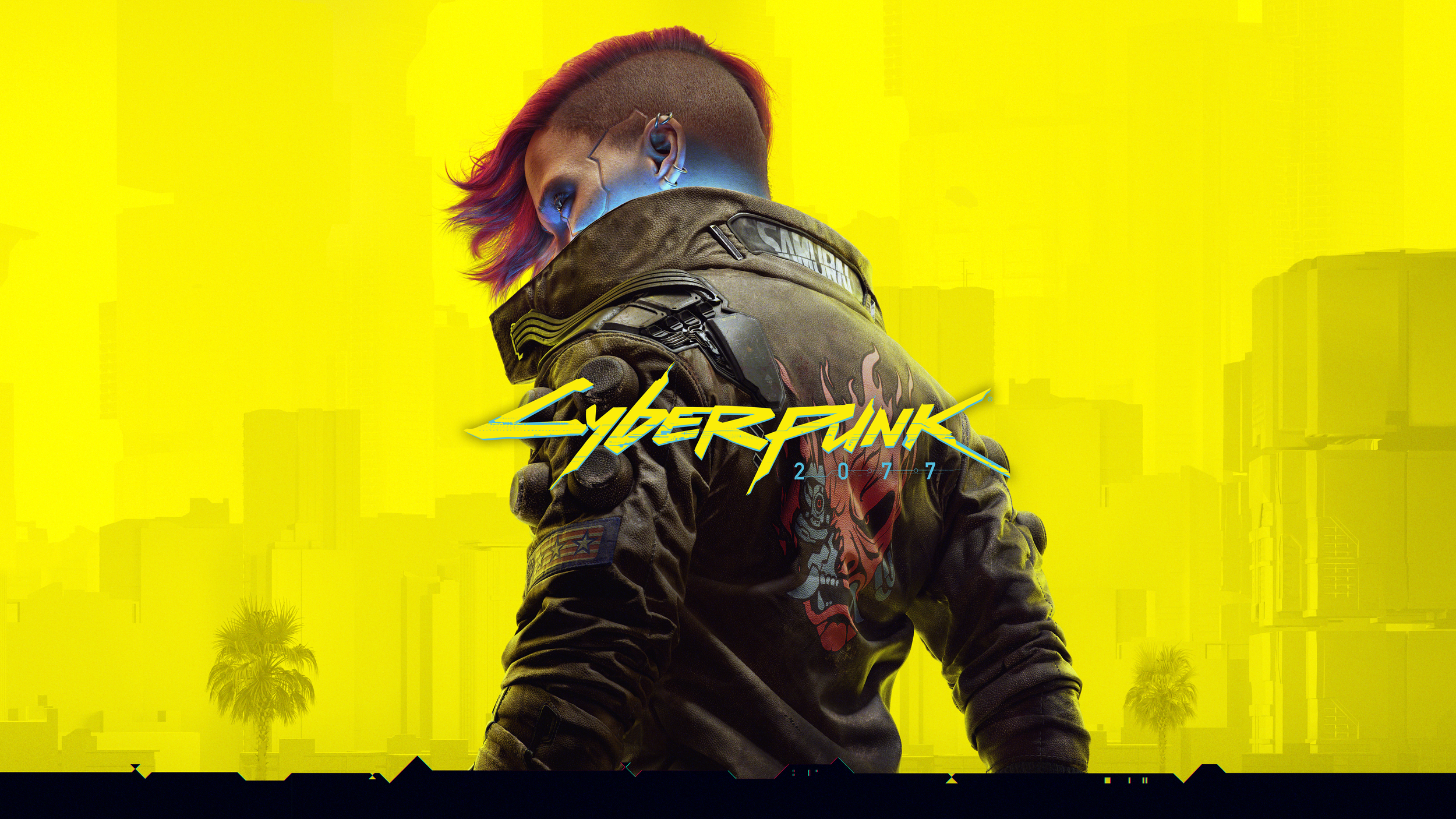
The best framing for Cyberpunk 2077 didn't come from either host. It came from a mutual friend, Ace, who assessed it before the episode was even recorded: Cyberpunk is the worst great game. Alex found it fair. Luke found it so accurate that it rattled around in his head for the entire playthrough. It's the kind of take that doesn't insult the game so much as locate it precisely — and Episode 048 spends most of its runtime proving the man right.
Cyberpunk 2077 was developed and published by CD Projekt Red and launched December 10, 2020, into one of the most catastrophic reception spirals in gaming history. PS4 user score: 1.9 on Metacritic. Pulled from the PlayStation Store. A genuine fiasco. Neither host was there for that version. Alex tasted it — he had a new PC rig and a 3080 and bought it day one with Christmas cash — but he bounced off it after 15 hours and didn't feel he'd gotten into it at all. Luke had a PS4 at the time and didn't bother. What they're actually playing here is Cyberpunk 2077 version 2.0: the post-redemption, post-Phantom Liberty, post-every-patch build that currently holds an 86 on PC and 87 on Xbox Series X. It's not the same game that launched. Alex played on PC as feminine V (Lady V, per the episode), rolled credits on one of the main endings, and got put back into Night City to continue. Luke played on Xbox Series X with the Phantom Liberty DLC and — at the time of recording — has still not had dinner at Embers, because he knows what going to Embers means and he's not ready.
Both chose Street Kid.
The combat system is where the episode gets the most useful. Luke spent much of his early playtime underwhelmed by the gunplay and found the whole cyberware upgrade system overwhelming to onboard into. His eventual conclusion: the game is only as good as the build you invest in. Pistols are the most overpowered weapon in the game once upgraded — sniper rifles and assault rifles don't feel right, regardless of platform. Gorilla arms make the boxing storyline trivial until the final fight. Luke went full katana after a friend steered him there, stacking the Reflexes tree for double jump, bullet deflection mid-dash, and the kind of chaotic sword-and-sprint combat that made the game click for him completely. Pro tip from both: commit to cyberware early, pick a lane, and stop trying to hedge. The game rewards obsession.
What holds up better than expected is the writing. Johnny Silverhand — the psychic ghost of a dead rock star living in a biochip in V's skull — is introduced as abrasive and obnoxious and earns his way into something genuinely affecting if you let him. The lore around his band Samurai, the one last gig with the surviving guitarist, the way his tone shifts depending on how V treats him: Luke found all of it surprisingly gratifying for someone who came in expecting a gimmick. Side quests across the board feel substantial — Panam's Aldecaldos arc, Judy, River Ward, the racing storyline — and the game is transparent enough that you understand these relationships will shape which endings become available to you. Alex admits he save-scummed at least once: a pivotal choice to save a character was buried in what felt like a set piece demanding you run, not look around. He looked around anyway, but only after he'd already failed it once.
Night City itself is a more complicated conversation. Both hosts acknowledge it's one of the most visually detailed open worlds ever built — gorgeous on PC, impressive on Series X — and neither could memorize a single neighborhood. Panam's hideout, the Afterlife, Japantown: all of it blurred. Luke watched a YouTube video about lurking at crime scenes after the fact and discovered entire layers of ambient narrative he'd walked past dozens of times. The city is alive in ways you'll mostly only know about from social media rabbit holes. It's not Red Dead 2. The driving is stiff (better than launch, still stiff), the cell phone and text message system is a genuine nuisance, and there are enough persistent bugs — floating pedestrians, stealth-clip-through moments — to keep things from ever feeling fully polished. The Fallout comparison is the one that lands: approaching this as a dense, dialogue-heavy, choice-driven RPG that happens to have a city around it is the right frame. Approaching it as a rockstar open world is the wrong one.
Both hosts landed at four out of five, independently. Luke notes the qualifier: that's closer to an 8.5 on his internal scale, boosted by the DLC and a world he's not done with. Alex says it won't crack his all-time top ten but belongs in the conversation for best open worlds of its era. A Cyberpunk 2 is in development. Neither host is expecting it before their kids are old enough to have opinions about it.
Side Quests: Luke has put 20-plus hours into a major Foundation update (his perennial city-builder anchor), discovered BallxPit, and finally cracked open Carto, which he describes as puzzly, cozy, and not urgent. A Steam Deck Dock gifted by Alex has been a fun peripheral. Alex is Metal Gear Curious — he picked up the Metal Gear Solid Delta remake for around $20 and played two hours before the ratio of cutscenes to gameplay made him tap out, at least temporarily. He also caught Marty Supreme in theaters (Timothée Chalamet as a 1950s New York ping pong hustler, loosely based on a true story, Uncut Gems energy, stressful in a good way) and briefly jumped into NBA 2K to evaluate the Timberwolves' recent trade.
This episode is unofficially brought to you in part by fake patriotism for the Olympics. Cheering hard for the USA every four (two) years regardless of your feelings about the country is a Midwestern birthright, and the Winter Games specifically belong to people who've earned them by surviving February.
Cyberpunk 2077 is available on PC, PlayStation 5, and Xbox Series X/S. The 2.0 update is free. The Phantom Liberty expansion is not. Do not drive in first person. Full episode wherever you listen — come tell us what ending you got in the Low Five Discord.
APPLE PODCASTS // AUDIBLE // GOOGLE PODCASTS // POCKET CASTS // PODBEAN // PODCAST ADDICT // SPOTIFY // STITCHER
AND EVERYWHERE YOU LISTEN TO PODCASTS!
Low Five Gaming is a Studio Low Five Production.
More Low Five Gaming Episodes You Might Like
If Cyberpunk 2077’s sprawling RPG systems and immersive worldbuilding grabbed you, these episodes explore other games that sparked similar conversations about open worlds, player agency, and modern RPG design.
The Witcher 3 — CD Projekt Red’s earlier RPG masterpiece shares Cyberpunk 2077’s obsession with narrative choice and richly built worlds.
Diablo IV — Blizzard’s action RPG takes a very different approach to character progression and loot systems, but scratches the same “build crafting” itch Cyberpunk players love.
Hollow Knight & Silksong — While mechanically different, Hollow Knight represents the same kind of modern design ambition that fuels Cyberpunk’s sprawling world and systems.